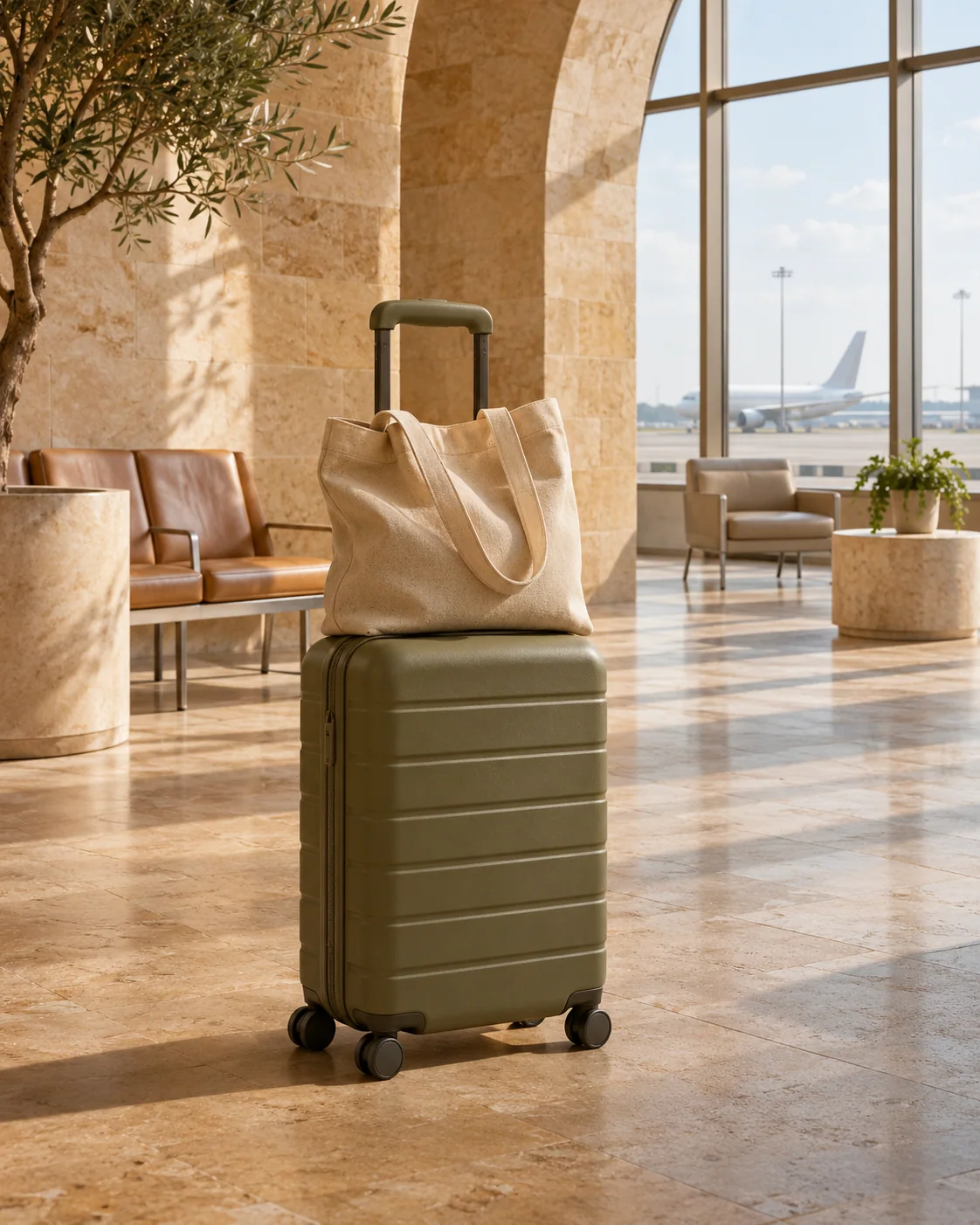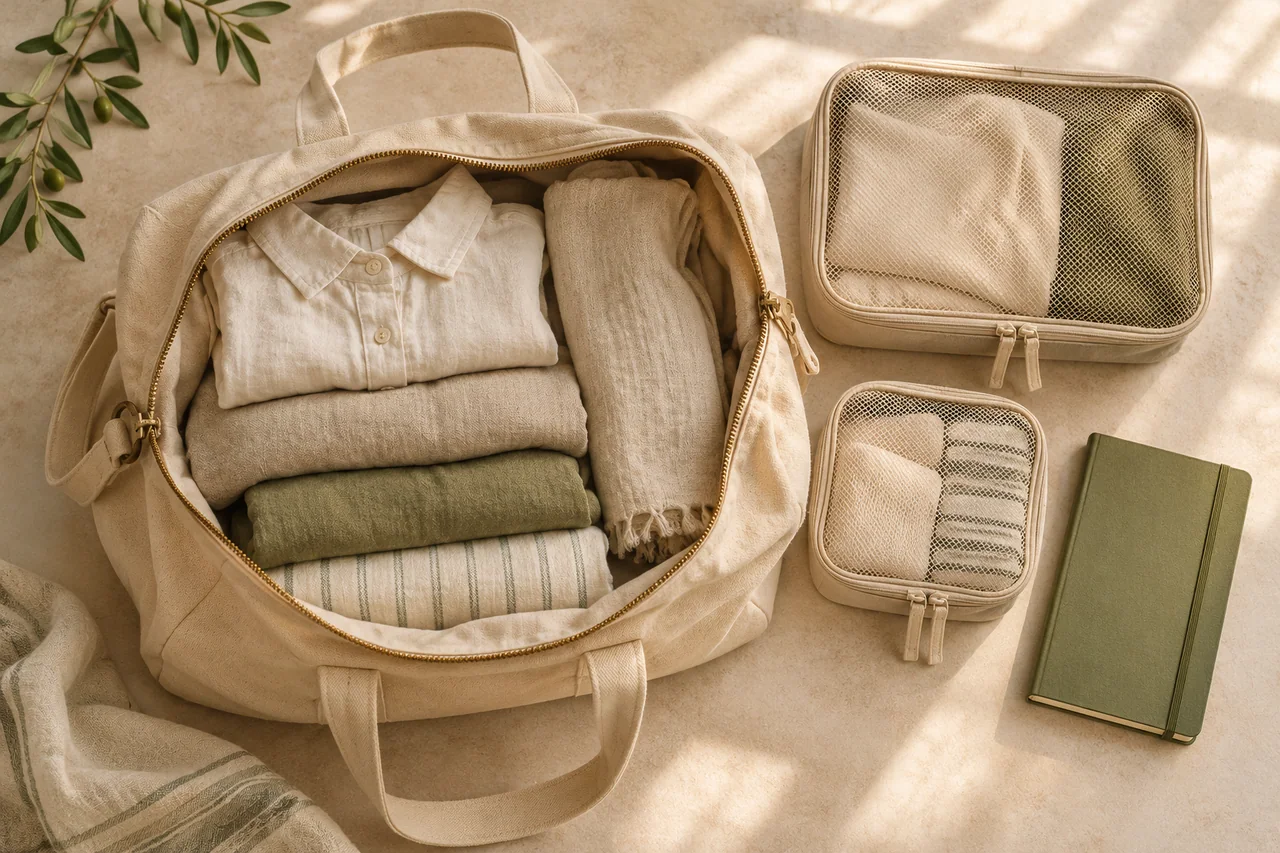
Packing a week into one bag starts with a choice about repetition. You can repeat some clothes, wash a small selection, or carry more. Deciding which of those you are comfortable with is more useful than chasing a particular bag volume. One person may need formal clothing, another may need specialist equipment, and another may be happy with a very small everyday wardrobe.
This plan assumes a week in broadly similar weather, access to accommodation, and at least one realistic laundry opportunity. It is a starting framework, not a challenge to carry less than you need. Make room for essential personal items first and build the rest around the journey you have actually booked.
Set the bag boundary first
Check the allowance for every operating carrier and the fare you booked before selecting a bag. The UK government directs travelers to airlines for the number and size of permitted cabin bags. A retailer calling something a carry-on does not resolve those itinerary-specific requirements.
American Airlines, for example, publishes separate dimensions for a personal item and a larger cabin bag. Treat an airline example as its own policy, not a worldwide size standard. Measure your bag when packed, including anything protruding from it. If a weight limit applies, weigh the whole load with the electronics and outer layers you plan to put inside.
Choose a small clothing rotation
A sample starting wardrobe is four tops, two bottoms, four sets of underwear and socks, sleepwear, and one adaptable outer layer, counting what you wear in transit. The numbers assume a midweek wash and should change with your activities and preferences. Two compatible colors can make the same pieces easier to combine, but your existing clothes are the place to start.
Lay out the possible outfits rather than judging the pile item by item. If a top only works with one extra pair of trousers, decide whether that pairing earns the space. Give specialist outfits a separate reason to travel: a wedding, a swimming session, a hike, or a work event. A hypothetical activity does not need a complete costume.
Make laundry an actual part of the itinerary
Name the day and method for washing before reducing the clothing count. A hotel laundry service, a nearby laundromat, and washing a few pieces by hand involve different time and drying arrangements. Check what your accommodation offers and what the garments allow. If the plan depends on an unverified service, keep enough clothing to cover that uncertainty.
Set aside a simple pouch for used clothes. On laundry day, separate items according to their care labels rather than putting the entire travel wardrobe through one process. Keep one wearable outfit available while other pieces are being cleaned. A plan that requires everything to dry immediately before checkout deserves an extra margin or a different wash day.
Use the shoes you intend to walk in
Shoes can determine whether the rest of the packing plan works. Choose the pair you expect to wear most often, then identify a concrete reason for a second pair. A formal event or a dedicated activity may justify the space. A second pair that simply offers another color is a different choice, and it is worth making consciously.
Do a short home packing rehearsal with the second pair included. See what it displaces and how it affects the way you carry the bag. Keep footwear separated from clothing with a bag or cover you already own. Avoid filling every internal shoe cavity with tiny essentials if it means unpacking the whole system whenever you need one item.
Give each small kit a spending limit in space
Choose a modest pouch for toiletries and another for charging accessories, then fit the necessary items inside them. Start with the products you already use. Decant only where the product instructions and container are suitable; medication or specialist personal-care items may need their original packaging or separate arrangements.
For electronics, identify the devices that perform different jobs. If the laptop is essential for work, decide whether a tablet adds a separate function worth its size. Keep one reliable charging setup and any justified backup. Packing limits become easier to maintain when each category has a clear boundary rather than unlimited access to the remaining gaps.
Leave room for the last day
Pack once, close the bag, and walk with it through a realistic part of your home. Open it on a small surface and retrieve the items you would need at the airport. Then add the layer you will take off indoors. This reveals a bag that only works when everything is arranged perfectly and nothing changes.
Reserve some flexibility for a small purchase, laundry that folds differently, or the snack you decide to carry. If the bag is difficult to close on day one, remove a duplicate before buying a more elaborate compression system. The useful result is a repeatable arrangement you can rebuild on checkout morning without a twenty-minute puzzle.
KEEP IT SIMPLE
Your quick checklist
- Every operating carrier and fare allowance checked
- Weather and planned activities reviewed
- Laundry method and day chosen
- Outfits that work in several combinations
- Used-clothing pouch
- Compact toiletries and charging kits
- Room for a removed outer layer
- Packed dimensions checked
- Whole bag weighed where a limit applies
- Bag opened and repacked on a small surface
FURTHER READING
Sources & useful references
These sources support the guide. Rules and product details can change; check the relevant provider before your trip.
- GOV.UK: hand luggage restrictions at UK airportsChecked November 16, 2026
- American Airlines: carry-on bags and personal itemsChecked November 16, 2026
Our guides are based on source research and practical comparisons. We identify hands-on testing when it has actually taken place. Some commercial links may earn a commission.
How our recommendations and links work